
May 5, 2026
Airline NewsThe Spirit Airlines Collapse Is a Warning for Canada's Budget Airline Industry
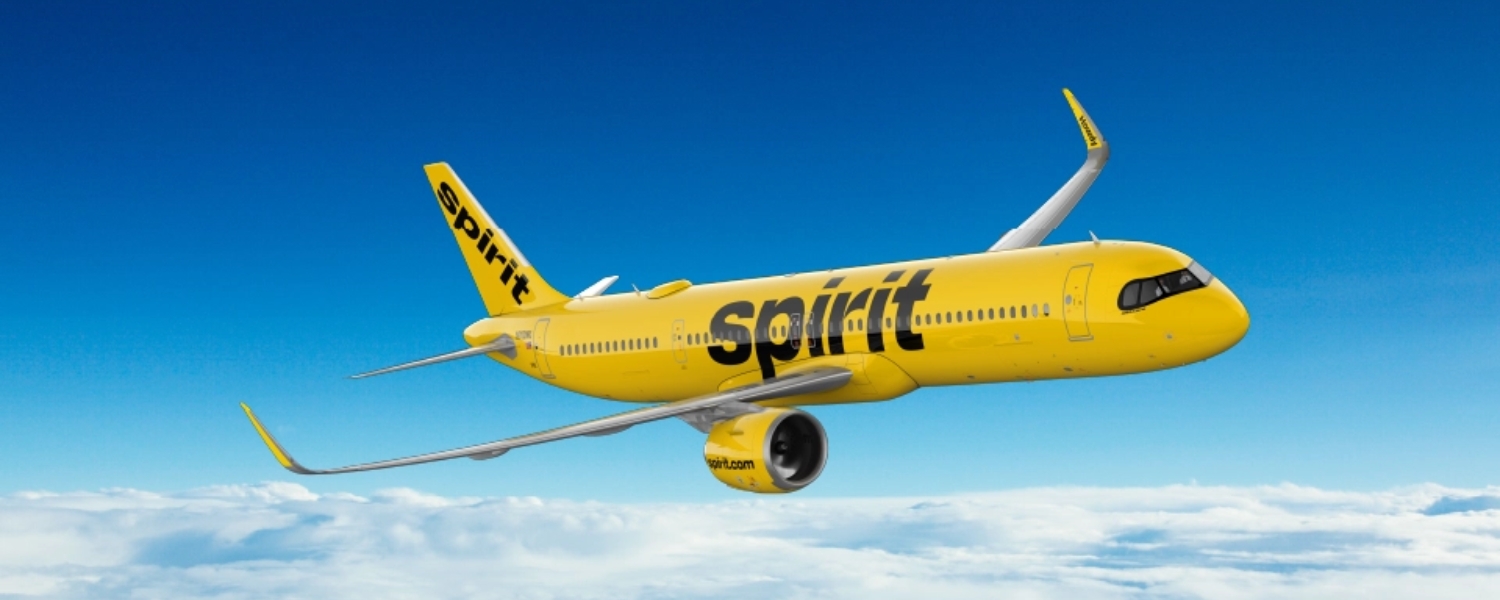
The bright yellow planes are gone.
Spirit Airlines, once one of the loudest voices in American budget travel, shut down operations effective immediately this past Saturday after more than three decades in the skies. Thousands of passengers were left scrambling, 17,000 jobs evaporated, and the ultra-low-cost carrier model took yet another punch to the gut.
For most Canadians, the reaction might be a shrug. Spirit never flew north of the border. But if you've ever driven down to Plattsburgh or crossed into Niagara Falls, New York to snag a cheap seat to Fort Lauderdale or Vegas, this one stings. And even if you haven't, the ripple effects are worth paying attention to.
What Brought Spirit Down
Source: Spirit Airlines
Spirit's roots go back further than most people realize. The company started life in 1964 as Clippert Trucking, eventually rebranding to Ground Air Transfer and then Charter One before settling on the Spirit Airlines name in 1992. Scheduled passenger service followed, and over the decades the carrier built out a network spanning North, Central, and South America as well as the Caribbean.
But Spirit had been bleeding for years. The airline lost more than $2.5 billion between 2020 and its first bankruptcy filing in late 2024. A second filing followed in August 2025. By the time the curtain fell, the carrier was carrying $8.1 billion in debt with soaring jet fuel costs, linked to ongoing conflict involving Iran, proving to be the final blow.
Even a last-ditch push for a government rescue package couldn't save it. Talks with the Trump administration stalled when bondholders couldn't get on board, and that was that. It was ultimately a cash problem: the airline could never generate enough revenue to cover what it owed, and no restructuring plan could bridge that gap fast enough.
Why Canadian Travellers Should Care

The direct impact on Canadians is limited but real. Spirit's footprint in cities like Detroit was a quiet lifeline for some Ontario travellers looking for cut-rate fares to sun destinations. That option is now gone.
Fuel costs are hammering the whole industry right now, and Canada is not immune. Air Canada has suspended routes. WestJet is consolidating flights. Air Transat has cut capacity. The worry among aviation watchers is that even some of the major carriers could find themselves in serious trouble depending on where fuel prices go from here.
Budget-conscious and leisure travellers will feel the pinch most, especially in markets like Las Vegas, Fort Lauderdale, and Orlando where Spirit had a major presence. Fewer carriers competing on those routes means less pressure on fares.
The ULCC Graveyard in Canada

Spirit's collapse isn't a standalone story. Canada has its own long history of ultra-low-cost carriers failing to gain traction. The combination of vast geography, a relatively small population, extreme seasonality, and sky-high airport infrastructure costs makes the textbook ULCC playbook almost impossible to execute here.
Flair Airlines CEO Maciej Wilk addressed this directly back in January 2026, when he spoke openly about the airline's evolution away from the ULCC model. His core point was that Canada is too specific a market for a copy-paste approach to work. The country is enormous but the population is relatively small, infrastructure is expensive and limited, demand is intensely seasonal, and routes are long by global standards.
What Flair Did Differently
Source: Flair Airlines
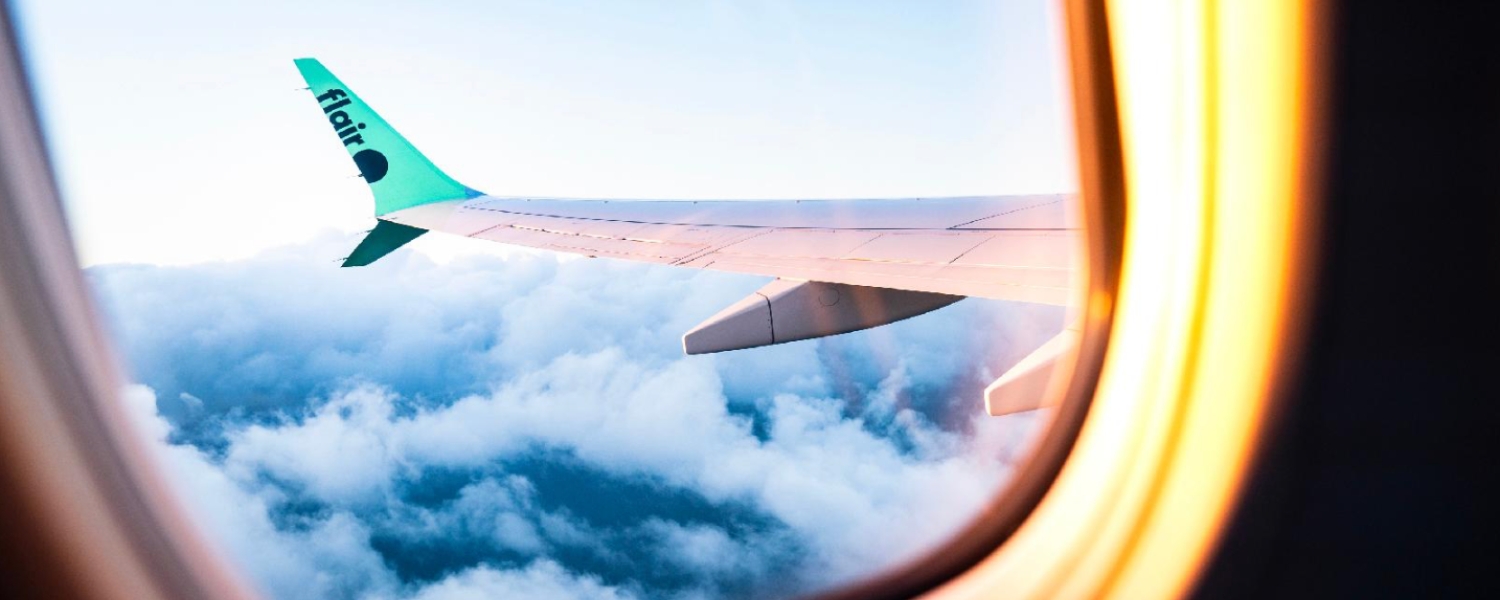
Rather than doubling down on the ULCC model, Flair has spent the last three years quietly rebuilding itself into something more resilient.
The most notable shift has been embracing travel agents and global distribution systems, something very unheard of for a budget carrier, on the basis that those channels unlock higher-yield passengers a website-only approach can't reach. Operationally, the airline now posts a 99% completion rate and 95% on-time performance. New products like Flair Express and freshly launched flight-and-hotel vacation bundles to 12 destinations round out what is increasingly a mainstream value carrier rather than a bare-bones discounter.
Whether that's enough to weather the current fuel environment is an open question. Fuel makes up a disproportionately large share of costs for small carriers, and there are no high-margin business cabins or sprawling route networks to fall back on when prices spike.
The Bigger Picture

What Spirit's collapse and Flair's pivot both illustrate is that the original ultra-low-cost model was always fragile. It works in massive, dense markets with short stage lengths and year-round demand. It struggles everywhere else.
Canada is not that market. The airlines that survive whatever comes next in this fuel environment will be the ones that found ways to build in buffers, whether that's higher-yield passengers, diversified distribution, or simply not running their planes at maximum utilization every single day.
Spirit never had that chance to adapt. For Canadian travellers, the lesson is that cheap fares have always come with a trade-off, and sometimes the trade-off is the airline disappearing overnight with your booking in hand.
If You Had a Spirit Booking
Automatic refunds will be issued for credit and debit card purchases made directly with Spirit.
For third-party bookings, contact your travel agent or booking platform directly.
Details on voucher and loyalty point compensation will be worked out through the bankruptcy process.